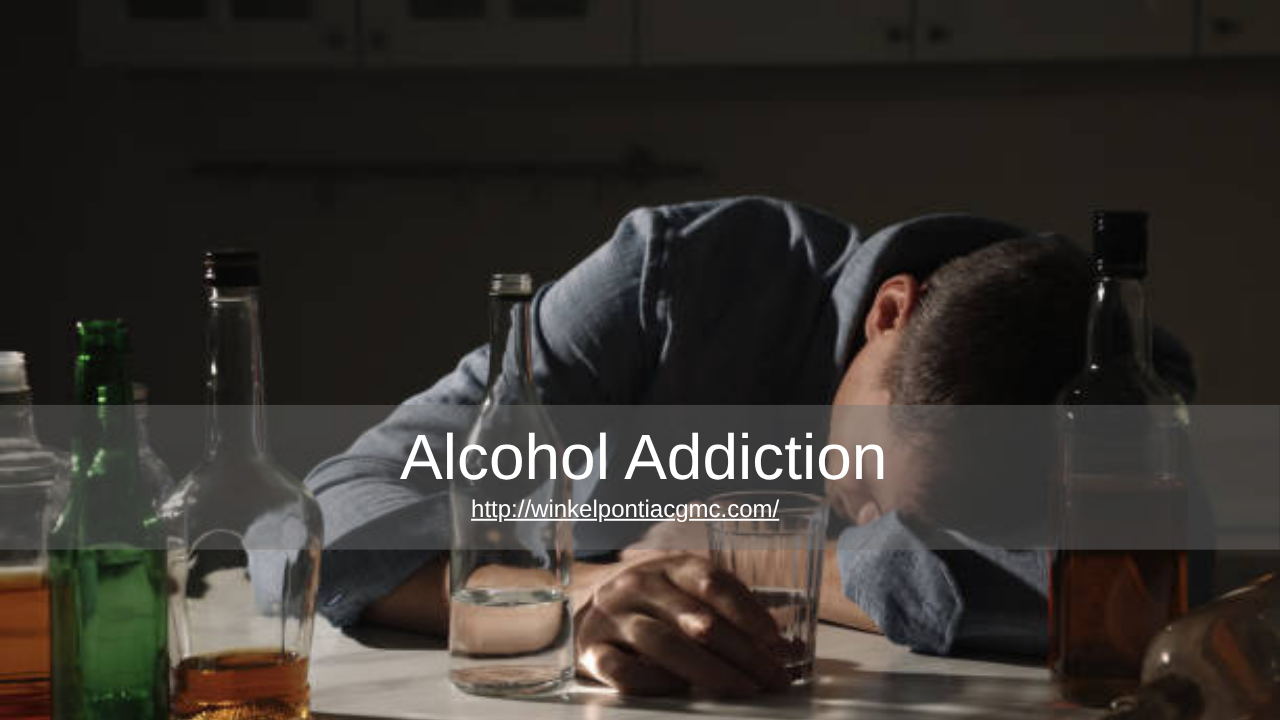
Therapy and Alcohol Addiction: Why Professional Support Makes All the Difference

Recovering from alcohol addiction is a complex process that requires more than simply stopping drinking. While willpower is important, professional therapy provides the structure, guidance, and emotional support necessary to address the root causes of addiction and maintain long-term sobriety. At Woolrich Online Italia, we emphasize the critical role of therapy in recovery, offering individualized programs that combine evidence-based treatments, holistic approaches, and compassionate care to help clients rebuild their lives.

Understanding the Role of Therapy in Alcohol Addiction

Alcohol addiction often develops as a way to cope with stress, trauma, anxiety, or depression. Therapy helps individuals identify and address these underlying factors while developing healthier coping mechanisms. Professional support provides a safe space to explore emotions, confront triggers, and build practical strategies for maintaining sobriety.

Why Therapy Goes Beyond Abstinence

Stopping alcohol use addresses only the physical aspect of addiction. Therapy helps individuals understand why they drink, recognize patterns of behavior, and prevent relapse. By exploring the psychological and emotional dimensions of addiction, clients gain insights that support lasting change and personal growth.

Types of Therapy for Alcohol Addiction

A range of therapeutic approaches is available, each designed to meet the unique needs of individuals in recovery. At Woolrich Online Italia, we integrate multiple modalities to create a comprehensive, client-centered treatment plan.

Cognitive Behavioral Therapy (CBT)

CBT is a widely used, evidence-based approach that helps individuals identify negative thought patterns and develop healthier ways of thinking and behaving. CBT teaches practical skills for managing cravings, handling stress, and avoiding relapse.

Motivational Interviewing

Motivational Interviewing (MI) is a client-centered therapy that helps individuals explore their motivations for change. By encouraging self-reflection and goal setting, MI empowers clients to take ownership of their recovery journey.

Group Therapy

Group therapy offers a supportive environment where individuals can share experiences, challenges, and successes. The sense of community and peer accountability enhances motivation and reduces feelings of isolation often associated with addiction.

Family Therapy

Addiction affects the entire family. Family therapy helps address communication challenges, rebuild trust, and educate loved ones about the recovery process. Involving family members promotes a stronger support system and contributes to long-term success.

Holistic and Faith-Based Approaches

Holistic therapies such as mindfulness, meditation, and wellness practices complement traditional therapy by addressing the physical, emotional, and spiritual aspects of recovery. Faith-based programs can provide additional guidance, purpose, and a sense of community for those who seek it.

Benefits of Professional Support

Engaging in professional therapy provides numerous benefits for individuals recovering from alcohol addiction:

  • Emotional Support: A safe space to express feelings and receive guidance.
  • Skill Development: Tools to manage stress, handle triggers, and prevent relapse.
  • Accountability: Regular sessions encourage consistency and commitment.
  • Improved Relationships: Therapy strengthens communication and fosters healing with loved ones.

Taking the Next Step in Recovery

Therapy is a cornerstone of successful alcohol addiction recovery. It addresses the emotional and psychological aspects of addiction, equips individuals with practical tools for managing cravings, and fosters meaningful, lasting change. At Woolrich Online Italia, our team of experienced professionals combines evidence-based therapies with holistic and individualized care, ensuring that every client receives the support they need to thrive.

If you or a loved one is struggling with alcohol dependence, reaching out for professional therapy can be the first step toward lasting recovery. Support, guidance, and healing are within reach.

Safe Detox Strategies: What to Know About Alcohol Withdrawal and Recovery

Alcohol detox is often the first and most critical step in the journey to recovery. While quitting alcohol is essential for long-term sobriety, withdrawal can be physically and emotionally challenging. Without proper support, detox can be dangerous, and the risk of relapse increases. At Woolrich Online Italia, we provide safe, compassionate, and individualized detox programs that prioritize both physical safety and emotional well-being. Understanding what to expect during alcohol withdrawal and how to approach recovery safely can make the difference between a successful start to sobriety and preventable complications.

Understanding Alcohol Withdrawal

When someone who is dependent on alcohol stops drinking, their body reacts to the absence of alcohol. This reaction, known as alcohol withdrawal, can range from mild symptoms such as anxiety and sweating to severe, life-threatening complications including seizures and delirium tremens. Symptoms typically begin within a few hours to a few days after the last drink and can last for several days.

Common Withdrawal Symptoms

Some common signs of alcohol withdrawal include:

  • Tremors or shaking
  • Nausea or vomiting
  • Anxiety or irritability
  • Rapid heartbeat and elevated blood pressure
  • Headaches and sweating
  • Sleep disturbances

In more severe cases, individuals may experience hallucinations, severe confusion, or seizures. These symptoms highlight the importance of professional supervision during detox.

Safe Detox Strategies

Safe detox is a structured process that minimizes risk while preparing the individual for ongoing recovery.

Medical Supervision

Detox under medical supervision ensures that withdrawal symptoms are managed safely. Health professionals monitor vital signs, provide medications when needed, and intervene quickly if complications arise. Medical supervision significantly reduces the risk of severe symptoms and promotes a smoother transition into treatment.

Inpatient Detox Programs

Inpatient detox provides a controlled environment where individuals can focus entirely on recovery without external stressors or triggers. Structured support, 24/7 care, and therapeutic activities help individuals navigate the emotional and physical challenges of withdrawal.

Outpatient Detox Options

For some individuals with mild dependence, outpatient detox programs may be appropriate. These programs allow clients to remain at home while receiving regular medical monitoring, therapy sessions, and counseling to support safe withdrawal.

Emotional and Holistic Support

Detox is not only a physical process; it is also an emotional journey. Counseling, mindfulness practices, and holistic therapies such as yoga or meditation can help reduce stress, improve mood, and strengthen resilience during withdrawal. Faith-based support is also available for those seeking spiritual guidance as part of their recovery.

Preparing for Long-Term Recovery

Detox is only the first step in a lifelong journey. Following detox, individuals benefit from comprehensive treatment that addresses the psychological, emotional, and social aspects of addiction.

Therapy and Counseling

Individual and group therapy help clients understand the root causes of their addiction, develop coping strategies, and prevent relapse. Cognitive Behavioral Therapy (CBT) and trauma-informed approaches are particularly effective for addressing triggers and negative thought patterns.

Support Networks

Connecting with supportive peers, family, and aftercare programs strengthens motivation and accountability. Support groups provide encouragement and shared experience, making it easier to maintain sobriety.

Holistic Healing

Incorporating wellness practices, mindfulness, and stress reduction techniques supports long-term physical and emotional health. Holistic care nurtures balance and helps individuals rebuild a fulfilling life without alcohol.

Start Your Recovery Safely

Detoxing from alcohol can be challenging, but it is a vital first step toward freedom from addiction. At Woolrich Online Italia, we provide safe, medically supervised detox programs integrated with therapy, holistic care, and individualized support. Taking this step with professional guidance reduces risk, promotes healing, and lays the foundation for a successful recovery.

If you or a loved one is ready to begin the journey to sobriety, reach out to Woolrich Online Italia today. Safe detox and lasting recovery are possible with the right support, guidance, and care.

The Family Impact: How Alcohol Addiction Affects Loved Ones and How to Heal Together

Alcohol addiction does not only affect the individual struggling with dependence; it reverberates throughout the family, altering relationships, communication, and emotional well-being. Loved ones often experience stress, confusion, and emotional exhaustion while trying to cope with unpredictable behavior, secrecy, or denial. At Woolrich Online Italia, we recognize that recovery is most effective when families are supported and included in the healing process. Understanding the family impact of alcohol addiction and learning strategies to heal together can strengthen bonds and foster long-term recovery for everyone involved.

How Alcohol Addiction Disrupts Family Life

Alcohol dependence can create a ripple effect that touches every aspect of family life. Emotional, financial, and social challenges often arise as family members try to manage the consequences of addiction.

Emotional Strain

Family members frequently experience feelings of fear, anger, guilt, and helplessness. Children may internalize stress or develop behavioral challenges, while partners often struggle to balance care, boundaries, and personal well-being. Over time, unresolved emotional strain can lead to anxiety, depression, or burnout.

Communication Breakdown

Addiction often causes dishonesty, secrecy, and denial, which can erode trust and create misunderstandings. Miscommunication may escalate conflicts and make it harder for families to work together toward solutions.

Financial and Practical Challenges

Alcohol addiction can lead to job instability, medical expenses, and other financial burdens. Family members may need to cover costs or manage daily responsibilities, increasing stress and tension within the household.

Strategies for Healing Together

Recovery is not just an individual journey; it can be a family journey when loved ones are supported and educated about addiction. At Woolrich Online Italia, we integrate family-focused strategies as part of comprehensive treatment.

Family Therapy and Counseling

Family therapy provides a safe, structured environment to address the impact of addiction. Trained therapists help families explore patterns, improve communication, and establish healthy boundaries. This process fosters understanding and empathy, reducing conflict and promoting emotional healing.

Education About Addiction

Understanding addiction as a disease rather than a moral failing helps families approach recovery with compassion instead of blame. Education empowers loved ones to support their family member without enabling unhealthy behavior.

Developing Healthy Boundaries

Setting clear boundaries is essential for maintaining emotional health while supporting recovery. Families learn how to say no when necessary, avoid codependency, and encourage accountability in a loving and effective way.

Support Networks and Peer Groups

Joining support groups, such as Al-Anon or family-focused programs, allows loved ones to share experiences, gain advice, and feel less isolated. Peer support can strengthen resilience and provide practical strategies for managing stress.

Holistic and Faith-Based Healing

Holistic approaches, including mindfulness, meditation, and wellness practices, can improve coping skills for family members. Faith-based programs can also provide spiritual guidance and a sense of community, reinforcing hope and motivation for healing together.

Moving Toward Recovery and Reconnection

Healing from the effects of alcohol addiction is possible for both the individual and the family. Recovery programs that address the needs of all family members foster trust, empathy, and resilience. By involving loved ones in the recovery process, families can rebuild stronger, healthier connections while supporting the individual’s long-term sobriety.

Take the First Step

At Woolrich Online Italia, we provide compassionate, individualized care for alcohol addiction and its impact on families. Our integrated approach combines medical support, therapy, and holistic practices to help every family member heal and thrive. If you or a loved one is affected by alcohol addiction, reaching out for help is the first step toward lasting recovery and family restoration.

From Relapse to Recovery: Identifying Triggers and Staying Sober

Relapse is one of the most challenging parts of the recovery journey, yet it is also one of the most common. Many individuals feel discouraged or ashamed when relapse happens, but the truth is that it can become a powerful turning point with the right support and understanding. Identifying triggers, strengthening coping skills, and accessing compassionate treatment can help individuals return to stability and continue building a healthier future. At Woolrich Online Italia, we help clients navigate every step of recovery with comprehensive, individualized, and holistic care.

Understanding What Relapse Really Means

Relapse is not a failure. It is often a sign that something deeper needs attention, such as stress, emotional pain, or unresolved trauma. In many cases, relapse occurs because a person has not yet recognized the triggers that influence their cravings or emotional responses. With professional guidance, these triggers can be identified, understood, and addressed safely.

Common Triggers That Lead to Relapse

Triggers can be emotional, environmental, or even physical. Recognizing them early is the key to preventing relapse and maintaining long-term sobriety.

Emotional Triggers

Stress, anxiety, loneliness, anger, or grief can cause individuals in recovery to turn back to alcohol as a way to escape or self-soothe. Emotional triggers are often rooted in past experiences, trauma, or daily pressures.

Social and Environmental Triggers

Parties, certain friendships, or places associated with previous drinking can reactivate old habits. Even seemingly harmless situations can become risky when they evoke familiar memories or routines tied to alcohol use.

Internal Triggers

Fatigue, hunger, and physical discomfort can weaken resilience and make cravings stronger. The body and mind are closely connected, and when basic needs are unmet, decisions become harder to manage.

How Comprehensive Treatment Supports Sobriety

At Woolrich Online Italia, relapse prevention is built into every stage of care. By blending evidence-based practices with holistic and faith-based options, our programs support the whole person: physically, mentally, and emotionally.

Inpatient and Outpatient Care

Inpatient treatment provides structured support for individuals who need a safe and stable environment. Outpatient care offers flexibility for those who want to continue their daily responsibilities while receiving consistent therapeutic guidance. Both paths are tailored to individual goals and challenges.

Therapy and Counseling for Long-Term Stability

Therapies such as Cognitive Behavioral Therapy (CBT) and trauma-informed counseling help clients explore the deeper causes of their triggers. Therapy also teaches practical skills, including grounding techniques, emotional regulation strategies, and healthier ways to respond to stress.

Holistic and Faith-Based Practices

Mindfulness, meditation, fitness activities, and spiritual support can help individuals reconnect with their sense of purpose and inner strength. Holistic care nurtures balance and encourages clients to create meaningful, sustainable lifestyle changes.

Practical Strategies to Stay on Track

Recovery requires ongoing commitment, but small daily habits can make a powerful difference.

  • Build a consistent routine that includes healthy sleep, nutrition, and physical activity.
  • Avoid high-risk environments and develop a new network of supportive, sober connections.
  • Stay engaged in therapy, support groups, or aftercare programs.
  • Practice grounding exercises and coping skills during times of stress.

Most importantly, reach out for support early when challenges arise. Asking for help is a strength, not a setback.

A Future Beyond Relapse

Relapse may feel overwhelming, but it does not define your recovery. With the right tools, support system, and personalized treatment, you can regain stability and continue forward with confidence. At Woolrich Online Italia, we walk beside every client with compassion, expertise, and a commitment to whole-person healing.

If you or someone you love is struggling after a relapse or wants to strengthen their path to sobriety, reach out today. A healthier, brighter future is within reach, and you do not have to face it alone.

Alcohol and Mental Health: Understanding the Connection and Finding Support

Alcohol consumption affects more than just the body—it has a profound impact on mental health. Many individuals struggling with anxiety, depression, or stress may turn to alcohol as a coping mechanism. While it may provide temporary relief, alcohol can worsen mental health symptoms over time, creating a cycle of dependency and emotional distress. At Woolrich Online Italia, we understand the intricate connection between alcohol use and mental health. Our comprehensive approach supports individuals in addressing both challenges simultaneously, fostering lasting recovery and well-being.

How Alcohol Impacts Mental Health

Alcohol is a central nervous system depressant, which means it can alter brain chemistry and affect mood regulation. While a glass of wine or a beer may initially seem relaxing, long-term or excessive consumption can increase the risk of mental health issues.

Anxiety and Alcohol

Some individuals use alcohol to manage social anxiety or stress. While it may temporarily reduce nervousness, repeated use can increase baseline anxiety levels over time. Dependence may develop as alcohol becomes the primary way to cope with daily stressors.

Depression and Mood Disorders

Alcohol can exacerbate symptoms of depression, creating a vicious cycle. Drinking may temporarily numb feelings of sadness or hopelessness, but over time, it interferes with neurotransmitters that regulate mood, leading to worsened depressive symptoms and emotional instability.

Sleep and Cognitive Effects

Alcohol disrupts sleep patterns, which directly impacts mental health. Poor sleep contributes to irritability, difficulty concentrating, and heightened emotional sensitivity, further complicating recovery from both addiction and mental health disorders.

Recognizing Co-Occurring Disorders

It is common for alcohol addiction and mental health issues to co-occur. Professionals often refer to this as a dual diagnosis. Identifying both conditions is critical for effective treatment, as addressing only one may limit recovery outcomes. Signs of co-occurring disorders include:

  • Increased reliance on alcohol to cope with emotions
  • Persistent sadness, anxiety, or irritability
  • Social withdrawal or isolation
  • Difficulty maintaining work or personal responsibilities

Comprehensive Treatment for Alcohol and Mental Health

At Woolrich Online Italia, we provide integrated treatment that addresses both alcohol addiction and mental health concerns.

Inpatient and Outpatient Care

Inpatient programs offer a structured environment for individuals who need intensive support to manage withdrawal and address emotional challenges. Outpatient care allows clients to continue daily responsibilities while receiving therapy, counseling, and medical supervision.

Individualized Therapy and Counseling

Therapy is a cornerstone of recovery. Cognitive Behavioral Therapy (CBT) and other evidence-based approaches help clients understand the connection between their alcohol use and mental health symptoms. Individual counseling provides a safe space to explore triggers, emotions, and coping strategies.

Holistic and Faith-Based Approaches

Our programs also integrate holistic methods, including mindfulness, meditation, and wellness practices, along with optional faith-based support. These approaches help restore balance, reduce stress, and build resilience for long-term recovery.

Support for Families

Addiction affects the entire family. Family therapy provides education, emotional support, and strategies to improve communication and rebuild trust. Involving loved ones strengthens the recovery process and creates a supportive environment.

Breaking the Cycle

The link between alcohol and mental health is complex, but it is not insurmountable. Understanding the connection is the first step toward breaking the cycle of addiction and emotional distress. At Woolrich Online Italia, we provide compassionate, individualized care to address both alcohol dependence and mental health challenges. Recovery is possible with the right support, treatment, and guidance.

If you or a loved one is struggling with alcohol use and mental health concerns, reach out to Woolrich Online Italia today. Help is available, and lasting recovery is within reach.

Hidden Struggles: Recognizing High-Functioning Alcoholism Before It’s Too Late

Alcoholism often carries an image of visible struggle—lost jobs, strained relationships, or poor health. However, for many, addiction hides behind success, confidence, and achievement. High-functioning alcoholism is a form of alcohol dependence that allows individuals to maintain outward appearances while privately battling addiction. At Woolrich Online Italia, we understand that addiction does not always look the same. Recognizing these hidden signs early is key to preventing long-term harm and finding the path to healing.

What Is High-Functioning Alcoholism?

High-functioning alcoholics are individuals who appear to have their lives under control. They may perform well at work, maintain strong family ties, and appear socially confident. Yet behind the scenes, they rely on alcohol to manage stress, anxiety, or emotional pain. Their success often becomes a mask, making it difficult for others—or even themselves—to see the problem.

The Subtle Signs Often Overlooked

Because high-functioning alcoholics rarely show the typical symptoms of addiction, their struggles can remain hidden for years. Common warning signs include:

  • Drinking alone or in secret to cope with daily pressures
  • Justifying alcohol use as a way to unwind or “reward” themselves
  • Becoming irritable or anxious when alcohol is unavailable
  • Minimizing or denying the impact of drinking on relationships or work
  • Frequently drinking more than intended, despite promises to cut back

Over time, tolerance increases, and what once seemed manageable can quickly spiral into dependence.

The Emotional Toll Behind the Mask

High-functioning alcoholism often creates an internal battle between maintaining control and hiding vulnerability. Many individuals feel trapped by guilt, fear, or shame, leading to emotional exhaustion and isolation. They may struggle with anxiety, depression, or perfectionism, using alcohol as a temporary escape from emotional pain.

At Woolrich Online Italia, we emphasize compassionate understanding rather than judgment. Addiction thrives in secrecy, but recovery begins with honesty and connection. Recognizing the emotional burden is the first step toward healing.

Why Early Recognition Matters

Early intervention can prevent devastating consequences such as health problems, relationship breakdowns, or professional setbacks. The sooner high-functioning alcoholism is identified, the greater the chance for a full and lasting recovery. Seeking help is not a sign of weakness—it is an act of strength and self-awareness.

A Comprehensive Approach to Healing

Recovery requires more than willpower. It demands an approach that treats the whole person—physically, emotionally, and spiritually.

Holistic and Faith-Based Support

Our treatment programs integrate evidence-based care with holistic and faith-based therapies. This includes medical detox when needed, counseling, group therapy, and wellness practices such as mindfulness and exercise. By addressing both the addiction and its underlying causes, individuals can rebuild a healthy, balanced life.

Inpatient and Outpatient Options

Whether you need the structure of inpatient care or the flexibility of outpatient support, Woolrich Online Italia provides personalized plans to meet your specific needs. Our goal is to help each client find stability and confidence in recovery while learning practical tools for lifelong wellness.

The First Step Toward Change

Recognizing high-functioning alcoholism can be difficult, but it is never too late to seek help. Behind the polished exterior, many professionals and family members silently struggle with dependence. You do not have to face it alone.

At Woolrich Online Italia, we provide compassionate, individualized treatment for alcohol addiction and co-occurring mental health conditions. Our experienced team walks with you every step of the way, offering hope, guidance, and lasting recovery.

Reach Out for Help Today

If you or someone you love is showing signs of high-functioning alcoholism, contact Woolrich Online Italia today. Healing begins with one brave decision—to stop hiding and start living.

Breaking Free: How Comprehensive Treatment Helps Alcohol Addiction Recovery

Alcohol addiction is a complex condition that affects not only the body but also the mind, emotions, and relationships. Recovery requires more than just stopping drinking—it requires a holistic approach that addresses the underlying causes of addiction while providing ongoing support and coping strategies. At Woolrich Online Italia, we specialize in comprehensive treatment programs designed to guide individuals through every stage of recovery with compassion, professionalism, and individualized care.

Understanding the Need for Comprehensive Treatment

Alcohol addiction often develops as a way to cope with stress, trauma, or mental health challenges. Simply removing alcohol from daily life does not address these root causes. Without a comprehensive treatment plan, individuals are at a higher risk of relapse and may struggle to maintain long-term sobriety. Comprehensive treatment integrates medical supervision, therapy, and emotional support to provide a strong foundation for lasting recovery.

Why a Multi-Faceted Approach Matters

Recovery is not one-size-fits-all. Some individuals may require inpatient care to manage withdrawal safely, while others benefit from outpatient programs that allow them to maintain daily responsibilities. Holistic and faith-based therapies complement traditional medical and psychological approaches, creating a treatment plan that addresses the whole person—body, mind, and spirit.

Key Components of Comprehensive Alcohol Addiction Treatment

Medical and Detox Support

Detoxification under medical supervision ensures that withdrawal symptoms are managed safely. This critical first step helps individuals transition from physical dependence to a state where they can engage in therapy effectively.

Individual and Group Therapy

Therapy is essential for understanding the psychological and emotional aspects of addiction. Cognitive Behavioral Therapy (CBT) helps individuals identify triggers and develop healthy coping strategies, while group therapy fosters connection and accountability. Individual counseling provides a private space to explore underlying emotional issues and personal goals for recovery.

Holistic and Faith-Based Approaches

Holistic therapies such as mindfulness, meditation, and exercise support overall well-being and help manage stress without relying on alcohol. Faith-based programs offer spiritual guidance and a sense of purpose, reinforcing motivation and emotional resilience.

Mental Health Integration

Many individuals struggling with alcohol addiction also face co-occurring mental health conditions such as anxiety, depression, or trauma-related disorders. Integrated treatment ensures both addiction and mental health are addressed simultaneously, reducing the likelihood of relapse and promoting long-term stability.

Inpatient vs. Outpatient Care

Inpatient programs provide structured environments where individuals can focus fully on recovery, free from daily stressors. Outpatient programs allow clients to continue working, attending school, or caring for family while receiving therapy and support. Both options are designed to meet the individual’s unique needs and lifestyle.

The Benefits of Comprehensive Treatment

Comprehensive treatment empowers individuals to:

  • Gain insight into the root causes of addiction
  • Develop healthy coping mechanisms
  • Repair and strengthen relationships
  • Reduce the risk of relapse
  • Achieve emotional, physical, and spiritual well-being

Taking the First Step Toward Recovery

Breaking free from alcohol addiction is possible, but it requires a compassionate, structured, and personalized approach. At Woolrich Online Italia, we provide comprehensive treatment programs that address every aspect of addiction, helping clients move toward long-term recovery and a fulfilling life. If you or a loved one is struggling with alcohol dependence, reaching out for help is the first step. Recovery begins with support, understanding, and a plan tailored to your unique needs.

Living a Lie: The Emotional Toll of High-Functioning Alcoholism

Behind many polished smiles and professional achievements lies an unseen struggle. High-functioning alcoholism is a form of addiction often hidden behind success, ambition, and control. Those who live with it can maintain careers, relationships, and social lives while quietly battling dependence. Beneath this facade, however, lies a painful truth: the emotional cost of maintaining the lie can be devastating. At Woolrich Online Italia, we understand that addiction often hides behind appearances, and our mission is to help individuals find healing through compassionate, personalized care.

Understanding High-Functioning Alcoholism

High-functioning alcoholics appear to have their lives in order. They go to work, pay their bills, and meet social obligations. Yet, their relationship with alcohol is far from normal. Drinking becomes a coping mechanism for stress, anxiety, or emotional exhaustion rather than a form of enjoyment.

The Double Life

Many high-functioning alcoholics lead a double life. They perform well in public while struggling privately with guilt, fear, and self-doubt. They tell themselves that because they are productive, their drinking cannot be a problem. This self-deception allows the cycle of addiction to continue, often for years, without intervention.

Denial and Emotional Disconnect

Denial is a key part of high-functioning alcoholism. People convince themselves and others that everything is fine. Over time, emotional disconnect grows. They may become detached from their loved ones, withdraw from meaningful relationships, and lose touch with their own feelings. What starts as a way to “take the edge off” turns into an emotional prison that isolates them from those who care most.

The Emotional Toll of Living a Lie

Living as a high-functioning alcoholic means constantly managing appearances. The pressure to keep up the act can lead to chronic anxiety, depression, and shame.

The Weight of Perfectionism

Many high-functioning alcoholics are perfectionists. They fear failure and rely on alcohol as a form of relief. The constant effort to appear strong and successful can leave them emotionally drained, eroding their self-esteem and sense of authenticity.

Strained Relationships

As the dependence deepens, relationships begin to suffer. Loved ones may feel neglected or confused by unpredictable moods. The emotional distance caused by denial can lead to conflict, resentment, or even loss of trust. Despite outward success, life begins to feel increasingly empty and disconnected.

The Hidden Shame

Perhaps the most painful aspect of high-functioning alcoholism is the shame that accompanies it. Many individuals feel trapped by fear of judgment or professional consequences if their secret is revealed. This shame reinforces silence and prevents them from seeking help, even as their emotional health deteriorates.

Breaking the Cycle Through Compassionate Care

At Woolrich Online Italia, we believe that recovery begins with honesty and compassionate support. Breaking the cycle of high-functioning alcoholism requires both professional help and emotional healing.

Inpatient and Outpatient Treatment Options

We offer flexible treatment paths, including inpatient programs for those needing immersive support and outpatient programs for individuals balancing recovery with daily responsibilities. Both are designed to meet clients where they are in their journey and guide them toward sustainable sobriety.

Holistic and Faith-Based Healing

Recovery is more than stopping alcohol use. Our holistic approach integrates therapy, faith-based guidance, mindfulness, and wellness practices that restore balance to the mind, body, and spirit. By treating the root causes of addiction, we help individuals rediscover meaning and strength beyond alcohol.

Addressing Mental Health Alongside Addiction

High-functioning alcoholics often struggle with anxiety, depression, or unresolved trauma. Through integrated mental health care, we address these underlying issues to build emotional stability and resilience for long-term recovery.

From Survival to Authentic Living

High-functioning alcoholism can feel like living a lie, but it does not have to define your life. Beneath the layers of control and success lies a person who deserves peace, healing, and authenticity. At Woolrich Online Italia, we help individuals move from silent suffering to genuine freedom through compassionate, individualized care. If you or someone you love is struggling behind a mask of functionality, reach out today. Recovery begins with truth, and healing begins with hope.

The Hidden Cost of Success: Alcoholism Behind the Mask of Functionality

In today’s high-pressure world, many people appear to be thriving while quietly battling alcohol dependence. High-functioning alcoholics maintain careers, relationships, and social responsibilities, all while relying on alcohol to cope with stress or emotional challenges. This hidden form of alcoholism is often overlooked because the external markers of success mask the internal struggle. At Woolrich Online Italia, we understand that alcoholism does not always fit the stereotype and that identifying the problem early is essential for lasting recovery.

Understanding High-Functioning Alcoholism

High-functioning alcoholism occurs when individuals can maintain the outward appearance of stability while their alcohol use becomes problematic. Unlike more visible forms of addiction, these individuals may never miss work or fail in their daily responsibilities. Their ability to function on the surface often leads friends, colleagues, and even family members to underestimate the seriousness of the problem.

Why Functionality Can Be Misleading

The capacity to maintain productivity and social engagement can create a false sense of control. High-functioning alcoholics may rationalize their drinking, thinking, “I handle my responsibilities, so it is not a problem.” This denial often prevents them from seeking help until serious emotional, physical, or relational consequences emerge.

Signs You Might Be Dealing with a High-Functioning Alcoholic

Recognizing high-functioning alcoholism requires attention to subtle indicators that go beyond outward success. Common signs include:

Secretive or Increased Drinking

Drinking alone, hiding alcohol, or consuming more than usual can indicate dependence. High-functioning alcoholics often conceal their habits to maintain the appearance of normalcy.

Mood Shifts and Irritability

Even when life appears balanced, high-functioning alcoholics may experience anxiety, irritability, or emotional instability, especially when they cannot drink.

Reliance on Alcohol to Cope

Using alcohol as a primary tool to manage stress, unwind after work, or handle emotional challenges is a strong signal of underlying dependence.

Physical and Health Red Flags

Long-term alcohol use can cause liver damage, cardiovascular issues, sleep disturbances, and cognitive impairment, even if performance in daily life seems unaffected.

The Emotional Toll Behind Success

The internal conflict of balancing outward success with hidden addiction can create intense stress, shame, and isolation. High-functioning alcoholics often struggle with guilt and fear of judgment, which perpetuates the cycle of dependence. Relationships may slowly erode, and emotional burnout becomes increasingly likely, despite outward appearances of competence and stability.

Comprehensive Recovery at Woolrich Online Italia

At Woolrich Online Italia, we provide compassionate, individualized treatment for high-functioning alcoholics, focusing on both healing and long-term resilience.

Inpatient and Outpatient Programs

Our inpatient programs offer structured support and medical supervision, while outpatient care allows individuals to maintain daily responsibilities while engaging in therapy and recovery activities. Both approaches provide evidence-based treatment tailored to each client’s needs.

Holistic and Faith-Based Approaches

Recovery is not just about abstaining from alcohol. Our programs integrate holistic practices, faith-based support, and therapeutic interventions to promote emotional, spiritual, and physical well-being. This comprehensive approach empowers clients to address the root causes of addiction and build sustainable coping strategies.

Integrated Mental Health Support

Many high-functioning alcoholics also struggle with co-occurring mental health conditions such as anxiety, depression, or stress-related disorders. By addressing mental health alongside addiction, we create a more complete path to recovery and long-term stability.

Breaking the Mask

Alcoholism behind the mask of functionality is a silent but serious problem. High-functioning alcoholics often suffer in silence while appearing successful to the outside world. Recognizing the signs and seeking help early is critical to preventing long-term physical, emotional, and relational harm. At Woolrich Online Italia, we provide expert, compassionate, and individualized care to guide clients toward healing. If you or a loved one is struggling behind the facade of success, reach out today. Recovery is possible, and you do not have to face this journey alone.

High Achiever, Silent Sufferer: The Overlooked Signs of Alcohol Dependence

On the surface, many people appear to have it all together. They excel in their careers, maintain family responsibilities, and often serve as role models in their communities. Yet behind this image of success, some are quietly battling alcohol dependence. These individuals are often overlooked because they do not fit the typical stereotype of alcoholism. At Woolrich Online Italia, we know that addiction wears many faces, and recognizing the subtle signs can be the key to breaking free and finding lasting recovery.

Understanding Alcohol Dependence Beyond Stereotypes

Alcohol dependence is not always visible in dramatic ways. While some people experience obvious disruptions in their personal and professional lives, others manage to keep everything intact while relying heavily on alcohol to cope. These high achievers may drink to unwind after long workdays, to manage stress, or to quiet inner struggles. Over time, what starts as casual drinking can develop into a dependence that is difficult to see but deeply harmful.

Subtle Signs of Alcohol Dependence in High Achievers

Drinking as a Stress Management Tool

For many professionals and high performers, alcohol becomes the go-to method for coping with daily pressure. While this may appear harmless at first, relying on alcohol for relaxation can be an early sign of dependence.

Increased Tolerance

A growing tolerance, where larger amounts of alcohol are needed to feel the same effects, is a red flag often ignored. High achievers may dismiss this as normal, but it signals that the body is becoming dependent.

Secretive or Hidden Drinking

When drinking begins to take place in private or is concealed from others, it reflects more than casual use. This secrecy often highlights shame, guilt, or an awareness that the habit is becoming unmanageable.

Denial Supported by Success

One of the most dangerous aspects of high-functioning alcohol dependence is denial. Achievers point to their productivity and success as evidence that their drinking is under control. This rationalization delays help and allows the problem to worsen.

Emotional and Physical Strain

Even if outward performance is intact, alcohol dependence eventually takes a toll. Mood swings, fatigue, sleep disturbances, and relationship strain often surface long before the issue is openly acknowledged.

The Hidden Costs of Silent Struggles

High achievers who suffer silently are at risk of long-term health problems, including liver disease, heart complications, and mental health challenges like anxiety and depression. The emotional weight of keeping up appearances while battling addiction also creates isolation and deepens the cycle of dependence.

How Woolrich Online Italia Can Help

At Woolrich Online Italia, we specialize in compassionate, individualized care that addresses both the visible and hidden aspects of alcohol dependence.

Inpatient and Outpatient Care

We provide structured inpatient programs for those who need intensive support, as well as outpatient care for individuals balancing work, family, and recovery.

Holistic and Faith-Based Healing

Our approach goes beyond treating symptoms. We integrate holistic therapies, faith-based support, and evidence-based treatments to help individuals heal in mind, body, and spirit.

Mental Health Integration

Since many high achievers also struggle with stress, anxiety, or depression, we ensure that mental health is an essential part of recovery. By addressing both addiction and co-occurring issues, we create a foundation for long-term wellness.

Breaking the Silence

High achievers may look successful on the outside, but silent suffering from alcohol dependence can cause lasting damage if left unaddressed. Recognizing the overlooked signs is the first step toward change. At Woolrich Online Italia, we are here to support every step of the recovery journey with compassion, professionalism, and personalized care. If you or someone you love is quietly struggling, reach out today. A healthier and more fulfilling life is possible.