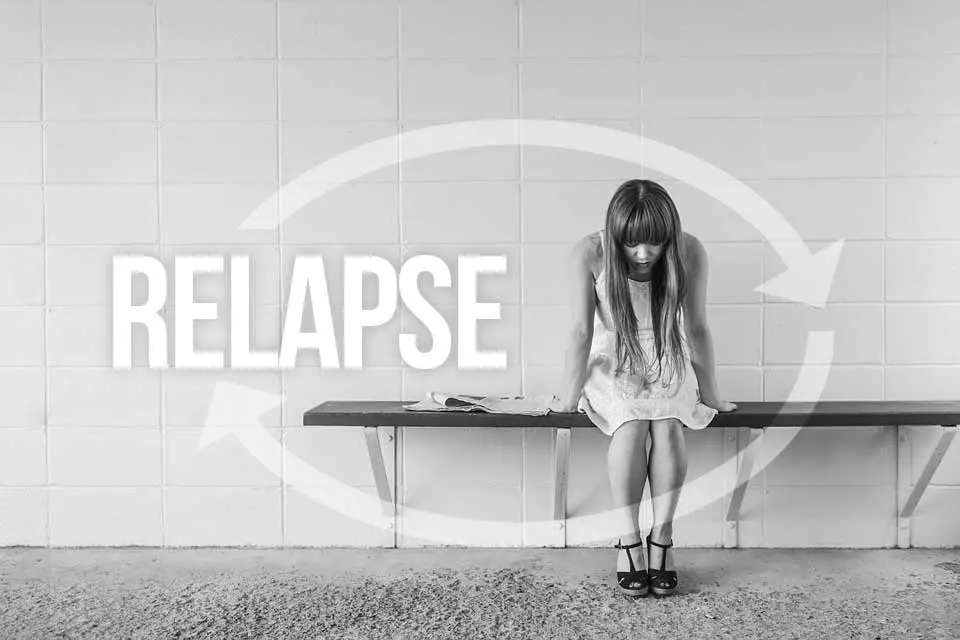
Relapse is one of the most challenging parts of the recovery journey, yet it is also one of the most common. Many individuals feel discouraged or ashamed when relapse happens, but the truth is that it can become a powerful turning point with the right support and understanding. Identifying triggers, strengthening coping skills, and accessing compassionate treatment can help individuals return to stability and continue building a healthier future. At Woolrich Online Italia, we help clients navigate every step of recovery with comprehensive, individualized, and holistic care.
Understanding What Relapse Really Means
Relapse is not a failure. It is often a sign that something deeper needs attention, such as stress, emotional pain, or unresolved trauma. In many cases, relapse occurs because a person has not yet recognized the triggers that influence their cravings or emotional responses. With professional guidance, these triggers can be identified, understood, and addressed safely.
Common Triggers That Lead to Relapse
Triggers can be emotional, environmental, or even physical. Recognizing them early is the key to preventing relapse and maintaining long-term sobriety.
Emotional Triggers
Stress, anxiety, loneliness, anger, or grief can cause individuals in recovery to turn back to alcohol as a way to escape or self-soothe. Emotional triggers are often rooted in past experiences, trauma, or daily pressures.
Social and Environmental Triggers
Parties, certain friendships, or places associated with previous drinking can reactivate old habits. Even seemingly harmless situations can become risky when they evoke familiar memories or routines tied to alcohol use.
Internal Triggers
Fatigue, hunger, and physical discomfort can weaken resilience and make cravings stronger. The body and mind are closely connected, and when basic needs are unmet, decisions become harder to manage.
How Comprehensive Treatment Supports Sobriety
At Woolrich Online Italia, relapse prevention is built into every stage of care. By blending evidence-based practices with holistic and faith-based options, our programs support the whole person: physically, mentally, and emotionally.
Inpatient and Outpatient Care
Inpatient treatment provides structured support for individuals who need a safe and stable environment. Outpatient care offers flexibility for those who want to continue their daily responsibilities while receiving consistent therapeutic guidance. Both paths are tailored to individual goals and challenges.
Therapy and Counseling for Long-Term Stability
Therapies such as Cognitive Behavioral Therapy (CBT) and trauma-informed counseling help clients explore the deeper causes of their triggers. Therapy also teaches practical skills, including grounding techniques, emotional regulation strategies, and healthier ways to respond to stress.
Holistic and Faith-Based Practices
Mindfulness, meditation, fitness activities, and spiritual support can help individuals reconnect with their sense of purpose and inner strength. Holistic care nurtures balance and encourages clients to create meaningful, sustainable lifestyle changes.
Practical Strategies to Stay on Track
Recovery requires ongoing commitment, but small daily habits can make a powerful difference.
- Build a consistent routine that includes healthy sleep, nutrition, and physical activity.
- Avoid high-risk environments and develop a new network of supportive, sober connections.
- Stay engaged in therapy, support groups, or aftercare programs.
- Practice grounding exercises and coping skills during times of stress.
Most importantly, reach out for support early when challenges arise. Asking for help is a strength, not a setback.
A Future Beyond Relapse
Relapse may feel overwhelming, but it does not define your recovery. With the right tools, support system, and personalized treatment, you can regain stability and continue forward with confidence. At Woolrich Online Italia, we walk beside every client with compassion, expertise, and a commitment to whole-person healing.
If you or someone you love is struggling after a relapse or wants to strengthen their path to sobriety, reach out today. A healthier, brighter future is within reach, and you do not have to face it alone.