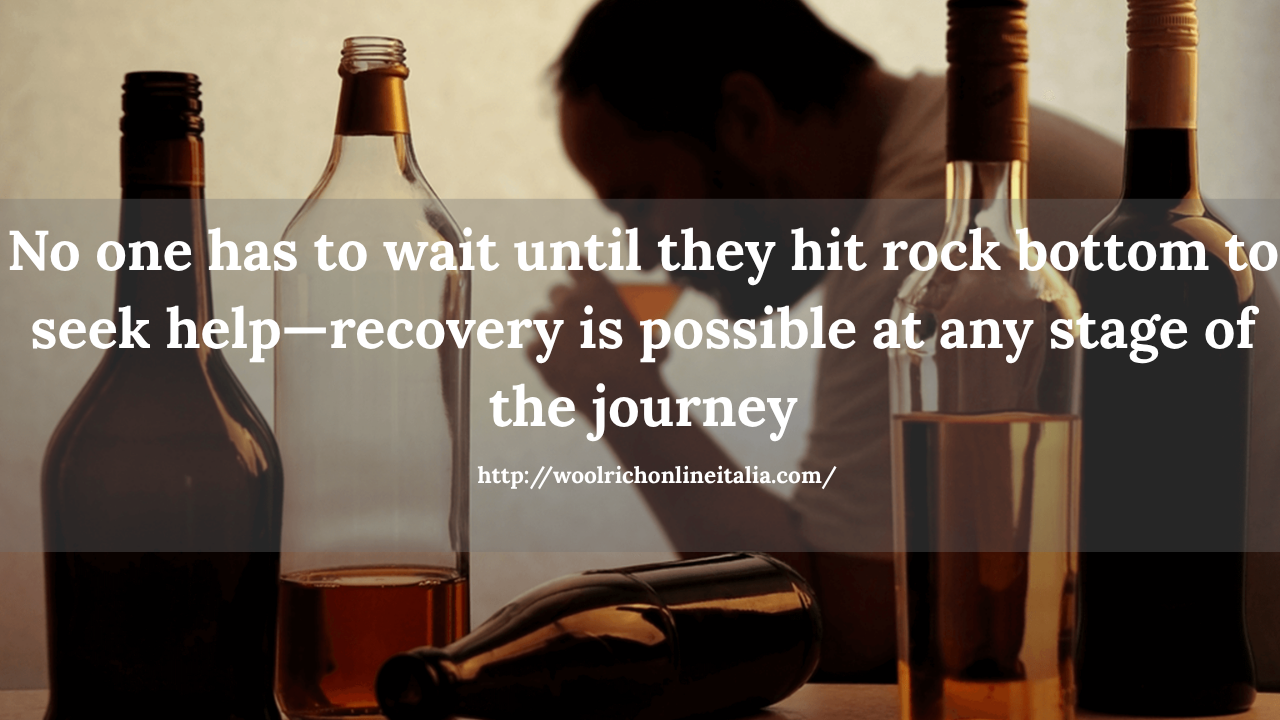
Alcoholism often conjures images of individuals who have lost control of their lives—those who are unemployed, isolated, or visibly struggling with addiction. However, there is a lesser-known side to alcoholism that operates behind closed doors: high-functioning alcoholism. High-functioning alcoholics defy common stereotypes, maintaining careers, relationships, and social obligations while quietly battling a growing dependency on alcohol.
Who Are High-Functioning Alcoholics?
High-functioning alcoholics are individuals who drink excessively but continue to perform well in daily life. They may excel at work, meet family responsibilities, and engage socially, all while consuming alcohol at levels that would alarm health professionals. Because they appear successful and in control, their addiction often goes unnoticed by friends, family, and even themselves.
Many high-functioning alcoholics rationalize their drinking by pointing to their achievements. They may say, “I’m doing fine at work,” or “I never miss an important event.” This denial is a significant barrier to recognizing the problem. Yet, behind closed doors, they often drink alone, hide the extent of their alcohol use, and experience emotional turmoil.
Signs of High-Functioning Alcoholism
Recognizing high-functioning alcoholism can be difficult because the outward signs are subtle. Some of the key indicators include:
- Increased Tolerance: Needing larger amounts of alcohol to feel the same effect.
- Secret Drinking: Hiding bottles, drinking alone, or sneaking drinks at inappropriate times.
- Preoccupation with Alcohol: Constantly thinking about the next drink or structuring life around opportunities to drink.
- Memory Blackouts: Forgetting conversations, events, or activities while intoxicated.
- Defensiveness: Becoming irritated or defensive when confronted about drinking habits.
- Emotional Instability: Experiencing mood swings, irritability, or anxiety related to alcohol use.
- Continued Drinking Despite Consequences: Ignoring warning signs such as health issues, strained relationships, or legal problems.
The Hidden Dangers
Because high-functioning alcoholics maintain an appearance of control, they are less likely to seek help until the situation becomes critical. Over time, continued heavy drinking can lead to serious health problems, including liver disease, heart issues, depression, and cognitive decline. Relationships may begin to erode, and professional responsibilities can eventually suffer.
There is also a heightened risk of accidental injuries, drunk driving incidents, and emotional burnout. The longer the addiction is hidden, the harder it becomes to break free from the cycle.
Seeking Help
The first step in overcoming high-functioning alcoholism is recognizing the problem. Therapy, support groups like Alcoholics Anonymous (AA), and medical interventions can help individuals confront their addiction and learn healthier coping strategies. Family involvement and honest conversations are also crucial in encouraging treatment.
Conclusion
High-functioning alcoholism is a silent struggle that often remains hidden behind success and social acceptance. By shedding light on this issue, individuals and loved ones can better recognize the signs, break through denial, and take steps toward recovery. No one has to wait until they hit rock bottom to seek help—recovery is possible at any stage of the journey.