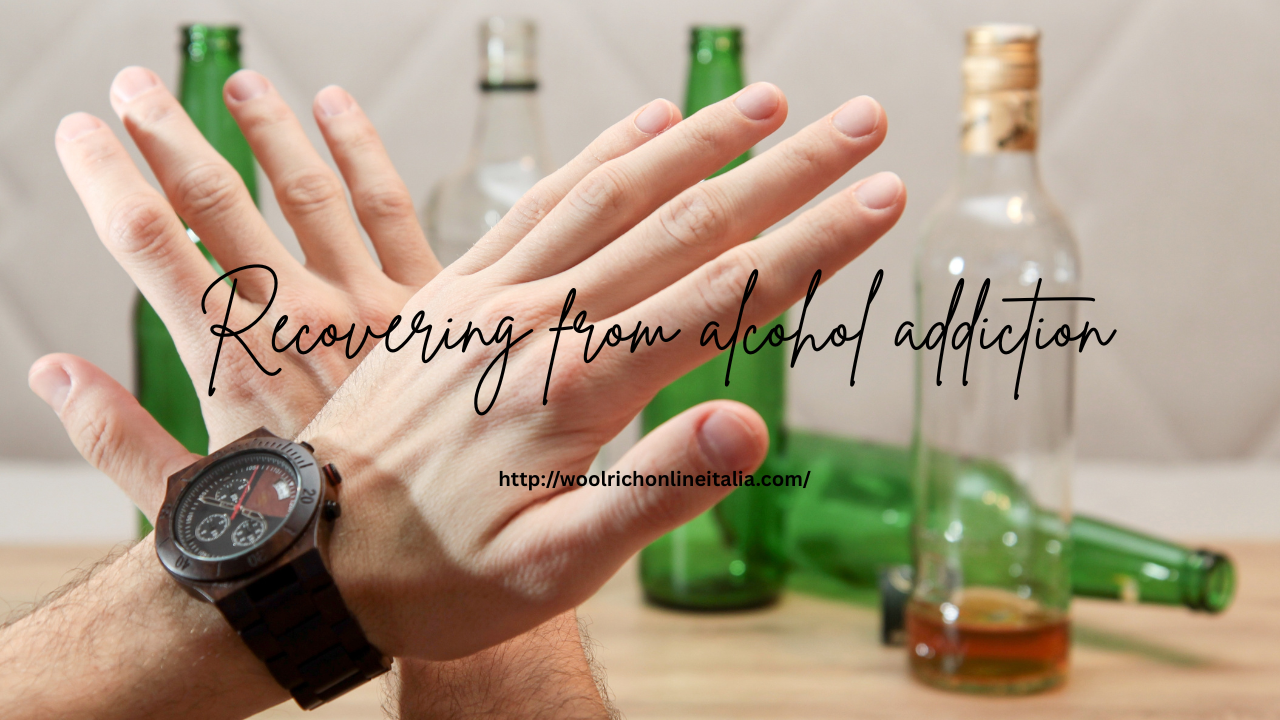
Recovering from alcohol addiction is a multifaceted process that involves more than simply quitting drinking. One of the most critical components of successful recovery is therapy, which helps individuals address the psychological and emotional aspects of addiction. Therapy provides tools, support, and insight that can empower individuals to understand their behavior, manage triggers, and build a healthy, sober life.
Understanding the Psychological Roots of Addiction
Alcohol addiction is not solely a physical dependence; it often stems from underlying emotional or psychological issues. Many individuals turn to alcohol as a way to cope with trauma, stress, anxiety, or depression. Therapy helps uncover these root causes and provides healthier strategies for managing emotions and stressors.
In therapy, individuals can explore their personal history, identify patterns in their behavior, and understand the motivations behind their drinking. This self-awareness is essential for long-term recovery, as it allows individuals to address the core issues that contribute to addiction.
Types of Therapy Used in Alcohol Addiction Recovery
There are several types of therapy that can be effective in treating alcohol addiction, each offering different approaches to healing and growth:
- Cognitive Behavioral Therapy (CBT): CBT is one of the most widely used therapies in addiction treatment. It focuses on identifying and changing negative thought patterns and behaviors associated with drinking. CBT helps individuals develop coping mechanisms and problem-solving skills to avoid relapse.
- Motivational Interviewing (MI): This client-centered therapy helps individuals find the motivation within themselves to change. It encourages self-reflection and empowers clients to set goals and commit to recovery on their own terms.
- Dialectical Behavior Therapy (DBT): Originally developed for borderline personality disorder, DBT is effective in treating addiction, especially when co-occurring mental health disorders are present. It emphasizes mindfulness, emotional regulation, and distress tolerance.
- Family Therapy: Addiction affects the entire family, and involving loved ones in the recovery process can strengthen relationships and improve outcomes. Family therapy helps address dysfunctional dynamics and promotes healing for everyone involved.
- Group Therapy: Sharing experiences and challenges in a group setting can reduce feelings of isolation and provide a sense of community. Group therapy offers peer support and fosters a shared commitment to recovery.
Benefits of Therapy in Recovery
Therapy provides numerous benefits for individuals recovering from alcohol addiction:
- Emotional Support: A safe space to express feelings and receive guidance.
- Skill Building: Learning tools to manage stress, avoid triggers, and prevent relapse.
- Accountability: Regular sessions encourage progress and commitment to goals.
- Improved Relationships: Therapy can repair and strengthen personal connections.
Conclusion
Therapy plays a vital role in alcohol addiction recovery by addressing the emotional and psychological aspects of the disease. It provides a structured environment for self-exploration, healing, and personal growth. By incorporating therapy into a comprehensive treatment plan, individuals gain the skills and support needed to maintain sobriety and lead a fulfilling life. Whether through individual counseling, group sessions, or family therapy, the guidance of trained professionals can make a significant difference on the path to recovery.